



Share This Article
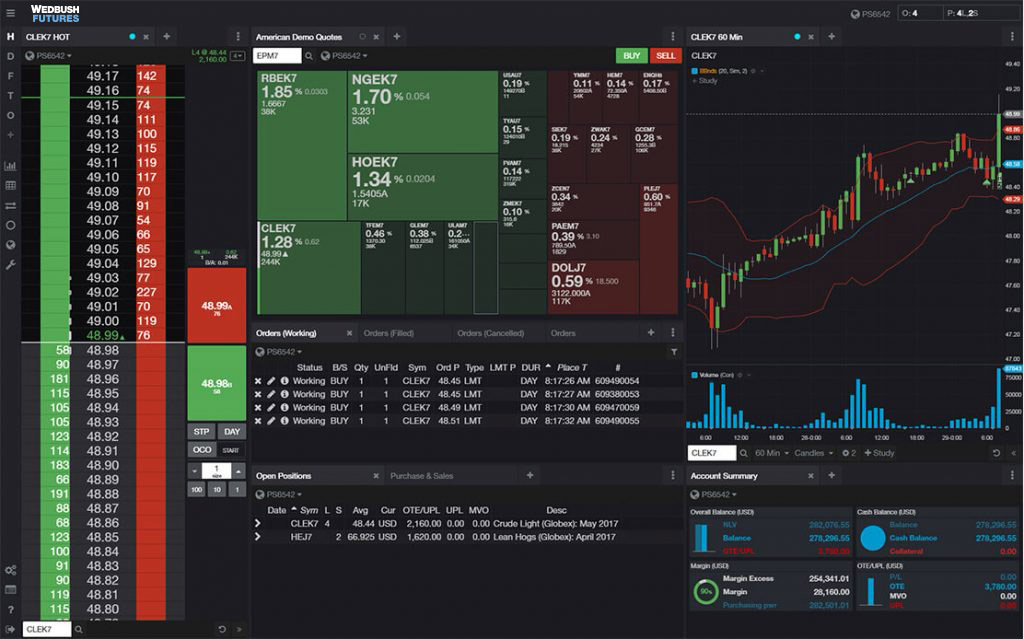
Explore the key differences and considerations when choosing between traditional futures contracts and the innovative world of Bitcoin futures in the ever-expanding landscape of futures trading. Discover the new dimension introduced by Bitcoin futures and make informed decisions as a trader.
Understanding Traditional Futures
Traditional futures contracts are widely-used agreements in the financial industry for buying or selling assets like commodities, indices, or currencies at a predetermined price on a specific future date. These contracts play a crucial role in providing hedging and speculative opportunities.
Embracing Bitcoin Futures
Discover the exciting world of Bitcoin futures contracts 코인선물, where traders can profit from predicting the future price of Bitcoin. These contracts provide an opportunity to engage with the turbulent cryptocurrency market without the hassle of owning the actual asset. Bitcoin futures have skyrocketed in popularity due to the increasing fascination with cryptocurrencies.
Key Differences
1. Underlying Asset
The primary distinction is the underlying asset. Traditional futures cover a wide range of assets, while Bitcoin futures focus solely on cryptocurrency.
2. Market Hours
Bitcoin futures, being related to cryptocurrency, often trade 24/7. In contrast, traditional futures contracts may have specific trading hours based on the asset’s market.
3. Volatility
The cryptocurrency market, including Bitcoin, is known for its high volatility. Traders must consider this factor when comparing risk and potential reward between Bitcoin futures and less volatile traditional futures.
4. Regulation and Maturity
The realm of traditional futures operates within a solid regulatory framework. On the other hand, Bitcoin futures, being a more recent addition, are susceptible to the influence of regulatory advancements that may shape their future trajectory.
Considerations for Traders
1. Risk Tolerance
Traders must assess their risk tolerance. Bitcoin futures can offer higher returns but come with elevated volatility, whereas traditional futures might be more stable.
2. Market Knowledge
Developing a comprehensive understanding of the asset you’re trading is imperative. Traders who possess a profound understanding of the market trends surrounding Bitcoin may discover Bitcoin futures to be captivating and intriguing.
3. Diversification
Expand your investment horizons. Achieve optimal market diversification by incorporating both traditional futures and Bitcoin futures into your portfolio.
4. Regulatory Environment
Stay updated on regulatory changes that directly impact trading conditions and market dynamics, especially within the cryptocurrency industry.
In Conclusion
Considering Bitcoin futures or traditional futures? Choose based on your risk appetite, market expertise, and trading goals. Evaluate the pros and cons of each option to make an informed decision that enhances your trading strategy.