


Share This Article

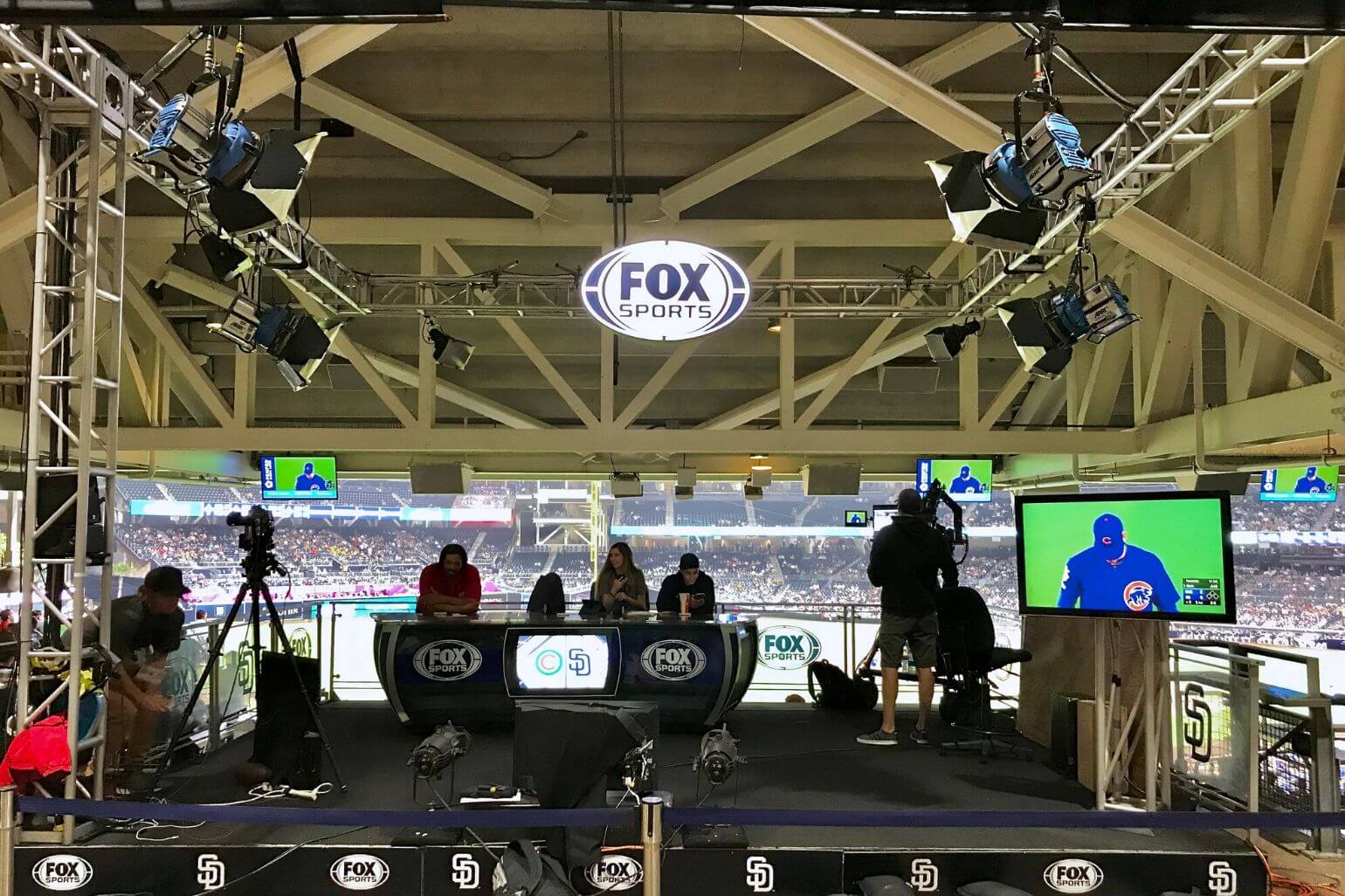
Sports broadcasting gyaane tv com is a massive and intricate operation that goes unnoticed by most viewers. While fans enjoy the game in front of them, a sophisticated team works tirelessly behind the scenes to deliver the action in real-time. From camera operators to technical directors, each person plays a pivotal role in ensuring a seamless broadcast. This article will take you behind the scenes, providing an in-depth look at how sports broadcasting teams keep the show running smoothly.
The Anatomy of a Sports Broadcast
Sports broadcasting involves multiple moving parts that bring live action into your home. These elements range from the people behind the scenes to the technology enabling seamless event transmission.
The Crew: A Well-Coordinated Team
At the heart of any sports broadcast is the crew that makes it all happen. Each individual has a specific role, contributing to the overall success of the broadcast.
1. Producers and Directors
The producer is the mastermind behind the broadcast, making key decisions about what footage to show, when to cut to commercials, and ensuring the broadcast flows smoothly. They work closely with the director, who handles the technical execution of these decisions, coordinating camera angles, replays, and timing.
2. Camera Operators
Camera operators are responsible for capturing the live action. Depending on the event, sports broadcasts can require anywhere from a few cameras to dozens. Different camera angles are essential to give viewers a comprehensive view of the game, including close-ups, wide shots, and aerial views.
3. Audio Technicians
Audio plays a critical role in immersing the audience in the sporting experience. Sound engineers capture the stadium ambiance, commentary, and interviews, adjusting levels to ensure clarity. They also manage the balance between crowd noise and announcers’ voices, which can impact how the game feels to viewers.
4. Graphics and Data Team
A sports broadcast is more than just video and audio; it also includes dynamic graphics and real-time data that enhance the viewer’s understanding of the game. From scores and player stats to animated replays and game highlights, the graphics team is constantly updating and presenting information in a visually appealing way.
5. Commentators and Analysts
The announcers, or commentators, are the voice of the broadcast. They provide live play-by-play coverage, offering insights into what’s happening on the field. Analysts, often former athletes or experts in the sport, provide expert commentary that explains key moments, strategies, and player performances.
The Technology That Powers Sports Broadcasting
Behind the scenes, a vast array of technology makes sports broadcasting possible. These systems allow for high-quality production, enabling real-time streaming of sports events to millions of viewers around the world.
1. Broadcast Trucks: The Mobile Control Center
Sports broadcasters often use mobile broadcast trucks equipped with state-of-the-art technology to produce live events. These trucks are equipped with multiple control rooms, satellite links, and video equipment to enable the team to manage every aspect of the production, even from a remote location.
2. Cameras and Lenses: Capturing the Action
The quality of the footage depends on the cameras and lenses used to capture the action. High-definition and 4K cameras provide crisp and detailed images, while special lenses allow for close-ups of fast-moving athletes. For large events, broadcasters may use cameras mounted on cranes, drones, or even on the field itself to capture unique perspectives.
3. Replay Systems and Slow Motion
Replays are a crucial part of sports broadcasts, allowing viewers to relive key moments. Replay systems store and retrieve footage in real time, enabling the director to cue replays on command. Slow-motion technology is also used to highlight pivotal moments, helping viewers see the action in greater detail.
4. Graphics and Virtual Technology
In sports broadcasting, graphics are essential for presenting statistics, player profiles, scores, and other critical information. Virtual graphics technology also allows broadcasters to superimpose animated elements onto live footage, providing a more engaging viewing experience. This includes things like tracking the ball in a soccer match or showing a player’s stats during a break.
5. Satellite and Streaming Technology
To deliver a live sports broadcast to viewers worldwide, satellite technology and internet streaming platforms play a vital role. Broadcasters use satellites to transmit live feeds across the globe, while streaming services deliver the event directly to fans’ devices, enabling them to watch from anywhere.
The Production Process: From Game to Screen
The journey from the sports field to your screen is a well-orchestrated process that involves careful planning, real-time decision-making, and cutting-edge technology.
1. Pre-Game Planning: Setting Up the Scene
Before the cameras start rolling, the production team goes through a detailed planning process. This includes:
- Technical Setup: Ensuring all cameras, audio equipment, and graphics systems are working.
- Location Scouting: Determining the best angles for cameras and deciding on lighting, background, and other visual elements.
- Graphics Design: Preparing the graphics, overlays, and player statistics to be used during the broadcast.
2. Live Coverage: Capturing Every Moment
Once the game starts, the team moves into full-action mode. The producer directs the broadcast, calling for specific shots and replays, while the camera operators capture the event from various angles. Audio technicians work to ensure sound clarity, and graphics are updated as the game progresses. All of these components work in real time to provide a seamless viewing experience.
3. Post-Game Analysis: Wrapping Up the Show
After the final whistle, the team moves into post-game analysis mode. This phase includes:
- Highlight Reels: The editors create a highlight package of the game’s key moments, which is often shown during the post-game show.
- Expert Analysis: Analysts break down the game, providing insights into key moments, player performances, and future predictions.
- Interactive Elements: In some cases, live sports broadcasts include interactive features that allow fans to participate through social media, polls, or live chats.
Challenges in Sports Broadcasting
While sports broadcasting seems like a well-oiled machine, it comes with its fair share of challenges. These can range from technical issues like equipment malfunctions to logistical hurdles like weather disruptions.
1. Live Streaming Delays and Buffering
In the age of digital streaming, buffering and lag are common issues that can impact the fan experience. Broadcast teams must ensure that the technology used can handle the demands of live streaming without delays, which can be difficult given the high traffic during major events.
2. Weather and Environmental Factors
Weather can also affect broadcasts, particularly when events take place outdoors. Heavy rain, lightning, or high winds can lead to delays, equipment damage, or even the cancellation of games. The broadcasting team must be prepared to adapt quickly in these situations.
3. Maintaining Audience Engagement
With so much competition for attention in the modern media landscape, keeping viewers engaged is a significant challenge. Broadcast teams need to be creative, offering dynamic coverage, compelling commentary, and innovative graphics to keep the audience tuned in.
The Future of Sports Broadcasting
The future of sports broadcasting looks exciting, with new technologies and innovations transforming the industry. Virtual reality (VR) and augmented reality (AR) are poised to become integral parts of sports broadcasts, offering fans immersive experiences that take them closer to the action. Additionally, 5G technology is expected to enable faster and more reliable streaming, allowing for higher-quality broadcasts and real-time fan interaction.
1. Augmented and Virtual Reality in Sports
With the advent of VR and AR, fans may soon be able to watch sports in 360 degrees or even feel like they’re right in the stadium, even from the comfort of their homes. These immersive experiences will revolutionize how sports are consumed, allowing fans to control their view of the action.
2. Artificial Intelligence (AI) and Automation
AI will play a critical role in automating aspects of the broadcast, such as camera angles and replay highlights. By using machine learning, broadcasters can quickly identify key moments during the game and create highlights, all without manual input.
Conclusion
Sports broadcasting is an intricate process that requires a combination of skilled professionals, cutting-edge technology, and creative vision. Behind every game, there’s a team working tirelessly to bring the action to your screen. As the industry continues to evolve, innovations like VR, AI, and 5G will further enhance the viewing experience, taking sports broadcasting to new heights. So, next time you watch your favorite team, remember the team behind the scenes that makes it all possible.